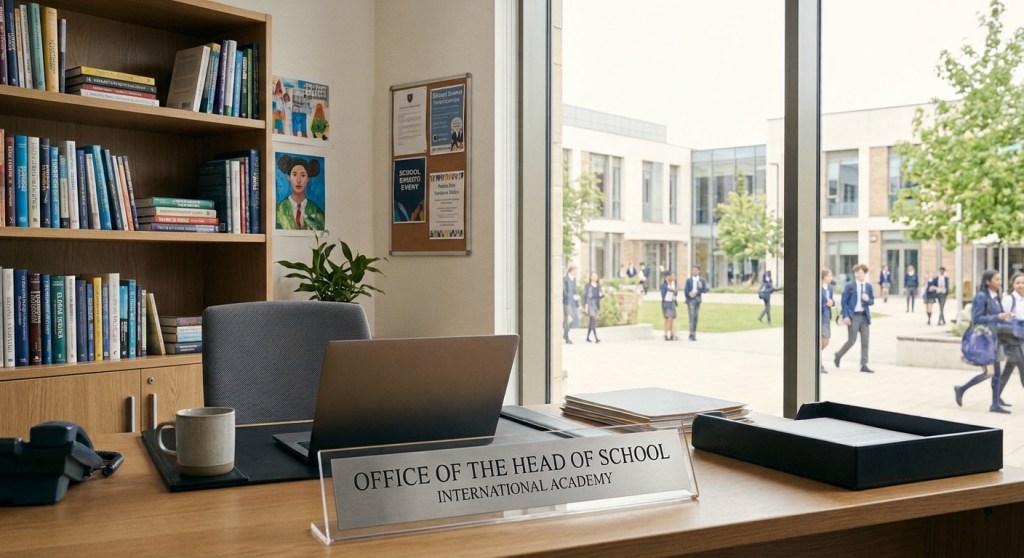
Leaving one job and moving to another, often gives one a huge sense of realisation (and a reality check) that whatever respect, influence, “power” you may have had was not about you, but mostly about the position you held. It definitely increases a sense of humility also. One of the most profound shifts in executive leadership, particularly in international headship, is realising that much of the admiration, pushback, compliments, or criticism, directed at you has very little to do with you personally. It is directed at the position you hold.
The job title and the office carry a heavy and inherent weight. Recognising that a leader is ultimately a temporary steward of a position is not itself a criticism or promoting detachment. It is actually an effective tool for managing executive isolation, maintaining personal humility, and making clear, principled decisions.
1. Leadership Isolation (and a paradox)
The higher you go “up” in organisational leadership, the fewer people there are to speak with complete candidness. It certainly is lonely at the top!
- The filtered feedback loop: Information reaching the headteacher’s office is naturally filtered. Bad news is often delayed or softened, while good news is amplified. Leaders who forget that this filtering is tied to their position can easily develop a distorted view of organisational reality.
- The loss of peer camaraderie: Moving from middle management/leadership to senior leadership definitely alters workplace dynamics. Former peers may hesitate to speak freely, thinking (or fearing) that any conversations, whether formal or informal will be interpreted as official stances.
- Solitude in the final decision: Whilst consultation and collaboration is essential and recommended, ultimate accountability cannot be shared. In moments of crisis, budgetary considerations, or staffing decisions, the final burden rests solely on the headteacher.
2. The Psychological Shield
Separating your personal identity from your professional title provides vital psychological clarity in two directions: shielding you from ego expansion during praise, and protecting your wellbeing during conflict. Remembering it is professional, not personal, is key, but admittedly not easy in practice (often the two may inevitably overlap).
When the various school stakeholders shower a headteacher with praise, it is easy to mistake institutional respect for personal adulation. Remembering that respect is extended primarily to the role prevents hubris. Having an understanding that in many cultures, respect is gained simply through the position you hold (especially within education) is vital to remember. These moments of understanding keeps leaders focused on service rather than self-importance, ensuring that authority is used to empower the school community rather than validate the individual.
Conversely, when facing intense pushback or conflict, whether over policy changes, resource allocations, or procedural shifts, disentangling your personal self-worth from the position is crucial. Stakeholders are often reacting to what the office represents to them: authority, change, setting boundaries, being role models, or institutional history. Seeing pushback through this lens allows leaders to respond with calm, objectivity, and empathy, rather than defensive reactivity.
3. Leadership Is Just Temporary Stewardship
Institutions endure long after individual headships end. Viewing oneself as a temporary custodian changes how success is defined.
- Maintaining a focus on long-term systems (legacy), not personal achievements: Short-term leaders build initiatives around their personal preferences, whilst long-term stewards build well thought out operational systems, sustainable policies, a well embedded culture, and strong leadership teams that thrive long after their departure. A good gauge is to think what the school will be like in a few years if you were to return? Would you still recognise many systems you put into place?
- The art of unsentimental succession: A steward prepares the institution to run smoothly without them, (much like a football game is normally enjoyable without ever noticing a referee’s presence!). If a school (or organisation) collapses or struggles significantly upon a leader’s exit, it reflects a failure to build institutional capacity, a failure of a succession plan, and not necessarily a mark of personal indispensability. In fact, one could argue it is the current custodian’s responsibility to ensure there is a clear succession plan in place for their eventual, and inevitable departure one day.
4. Staying Grounded
To manage isolation and maintain perspective throughout a headship, leaders must build intentional habits:
- External voices: Maintain a trusted network of external headteachers, mentors, or executive coaches who can offer honest, candid advice and objective feedback.
- Create a culture of honesty: Create psychological safety within your senior team so that colleagues feel empowered to challenge your assumptions without fear of reprisal.
- Identity outside work: Ensure your self-worth is rooted in personal relationships, family, personal interests, and values that exist independently of your professional title.
- Practice intentional humility: Regularly walk the campus, engage in mundane daily tasks, listen directly to staff and students, and maintain an open-door approach that keeps you connected to the heartbeat of the community.
Enjoy the job, but always remember who you are!
Yasir Patel

